What Are the Best Months to Visit Napa Wineries?
The best months to visit Napa wineries by crowds, price, and weather, from the September crush to the quiet, cheap depths of Cabernet Season, plus when to book.
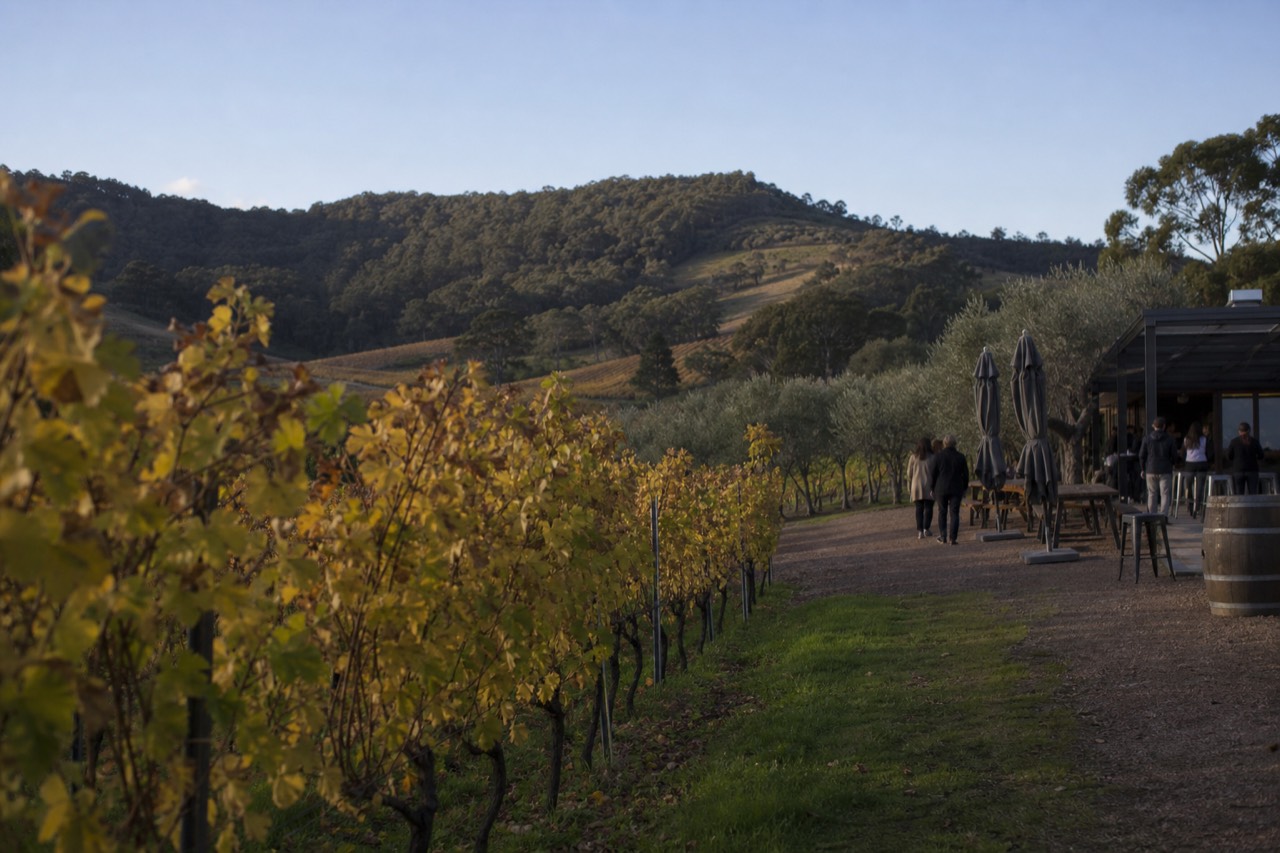
If you want Napa wineries at their liveliest, come in September or October and pay for the privilege. If you want them quiet, cheap, and unhurried, come in January. That single trade, energy and crowds against value and calm, decides most of the timing question, and it maps neatly onto the calendar. The wineries pour every month of the year, so this is never about whether you can visit. It is about what the visit costs, how many people share the tasting room, and whether the vines are golden or bare.
Booking choice: A guided three-winery day keeps the tasting itinerary together across the seasons, with transport and picnic lunch included. Explore the Guided Winery Day
What are the best months to visit Napa wineries?
It depends on your priority. For harvest energy and warm, dry weather, September and October are unbeatable, and also the busiest and most expensive. For low prices and easy reservations, come in winter, roughly November through March. For the best all-round value, mild weather with thinner crowds and gentler rates, target April through June. No month closes the wineries; each trades crowds, price, and weather differently.
Rank what matters to you and the answer falls out. Chasing the full harvest spectacle means accepting top prices and packed tasting rooms. Chasing value and space means giving up warm weather and the golden canopy of fall for cooler, quieter days.
Most visitors want the middle, and that is where late spring and early summer earn their keep: warm without August's heat, green through May, and busy without the October crush. You trade a little drama for a lot of ease at the cellar door.
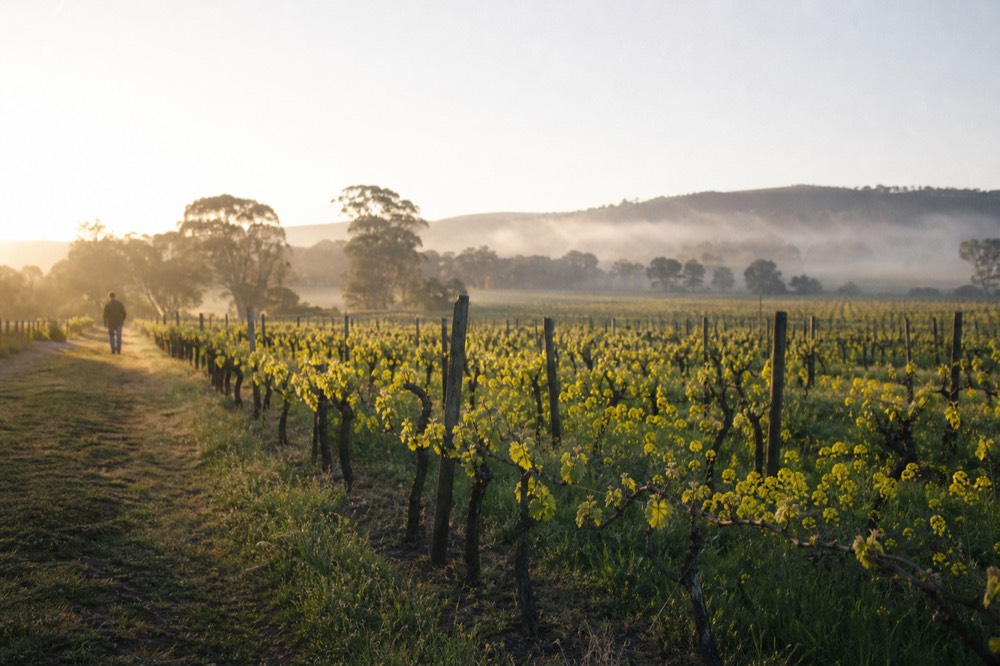
Season affects how comfortable outdoor activities feel. Compare a full winery day with a sheltered meal-led train journey.
Which months are busiest and most expensive?
September and October, the harvest crush, are the peak. Grapes come in, the wineries buzz, and the weather is warm and dry, which draws the year's biggest crowds and its highest prices. Hotel rates in the popular towns are often higher during harvest, and marquee tasting reservations book out days ahead. It is Napa at full tilt, and it costs the most.
The crush is the postcard Napa, and worth it if that is the trip you want. In 2025 the first picks landed around August 8 to 11, Cabernet was in full swing through October, and the final grapes came off on November 2, per the Wine Institute's 2025 California harvest report. Tasting rooms are lively, the light is long and gold, and there is a genuine sense of the region doing its thing.
The catch is the crowds and the cost. Weekend tastings need booking well ahead, the roads are at their fullest, and rooms hit their annual high. If harvest is the draw, come midweek and reserve wineries and a hotel weeks out to soften both.
Which months are cheapest and quietest?
Winter, November through March, and January and February above all. Locals call it Cabernet Season: crowds thin, hotel rates often fall, particularly in January, and even sought-after estates take reservations on short notice. Some wineries trim their tasting fees in the slow months. The trade-off is cooler, wetter weather and bare, dormant vines.
For value and space, winter wins by a wide margin. With the harvest done and the tourists gone, tasting rooms have time to pour generously and talk longer, and the whole valley feels less like a queue. Room rates often fall from the October peak into January, which reshapes a weekend budget. A central value base like Hotel Napa Valley is a simple way to catch those quiet-season rates and still be minutes from downtown.
Hotel Napa Valley · Napa, value base Check rates ›
The weather is the price you pay. Winter days are cool, with lows often in the 40s Fahrenheit, and rain is likelier, so an outdoor tasting is a gamble. This is exactly when an indoor, weather-proof experience shines.
The Napa Valley Wine Train offers a meal and vineyard views inside its dining cars. The Gourmet Express listing below offers lunch or dinner options; check the chosen seating’s duration, dated fare and cancellation terms. Additional drinks cost extra.
What about spring and summer?
Spring and early summer are the value sweet spot for winery visits. From March the hills green up with bud break, the weather warms through May and June, and tasting rooms stay below the fall peak. Midsummer, July and August, is hot in the upper valley, with highs in the 80s and 90s, but long dry days keep it reliable. Reservations are easier than in the crush.
Spring is underrated and deserves a look. The green hillsides of March through May are the prettiest the valley gets, the weather is mild, and both rates and crowds sit in a comfortable middle. It is the season for good weather without October prices or October lines at the bar.
Summer is dependably dry, just hot up-valley in the afternoon. The fix is to taste in the cooler morning, break for a long shaded lunch, and save indoor cellar visits for the heat of the day. A booked tour handles that pacing without you watching the clock.
For a warm-weather winery day, the seven-hour small-group tour visits three wineries with a driver-guide, picnic lunch and bottled water. Tasting fees are separate, so add them to the dated tour fare before comparing costs.
How does each month compare?
Month by month, the pattern holds: January and February are cheapest and quietest, March through June build toward warm green value, July and August bring heat and crowds, September and October peak with the crush, and November eases off as harvest wraps. Price and crowds track the weather, so the cheapest months are also the coolest.
The grid below pairs crowds and price with weather so you can match the calendar to your priorities at a glance. Every month keeps the wineries open; they just trade differently.
| Month | Crowds and price | Weather | Worth knowing |
|---|---|---|---|
| January | Lowest | Cool, wettest, ~40s lows | Often lower winter rates; compare your dates |
| February | Low | Cool, some rain | Cabernet Season deals continue |
| March to April | Building, good value | Mild, bud break, green hills | Best spring scenery |
| May to June | Moderate to busy | Warm, dry | Long tasting days, strong value |
| July to August | Busy | Hot afternoons | Taste mornings, shade the afternoons |
| September to October | Busiest, priciest | Warm, dry, golden | Peak crush; book far ahead |
| November | Easing | Cooler, final picks | Harvest wraps, then it quiets |
| December | Moderate | Cool | Holiday events, then calm |
Does the month change how you should book?
Yes. In the September and October crush, reserve wineries and hotels weeks ahead, since the best tasting slots go first. In winter, a few days' notice often suffices and you can be spontaneous. Napa runs on reservations year-round, more than 500 wineries spread along two valley roads, but the pressure eases sharply in the quiet months.
The booking window swings with the calendar. A September Saturday at a marquee estate can need a reservation a week out; the same tasting on a February Tuesday might seat a walk-in. Whatever the month, the good tasting rooms sit miles apart along Highway 29 and the Silverado Trail and are not walkable between stops, so the driving question does not change with the season.
That is the steady argument for handing the day to a tour in any month: the reservations are held and the driving is solved, whether you come in the crush or the quiet. For a deeper month-by-month read, see the best time to visit Napa Valley, and if you are wondering how many stops a day allows, how many wineries you can visit in one day covers the pacing. For a weather-proof centerpiece, the complete guide to the Napa Valley Wine Train runs through every seating.
Rank your priority, book the hardest-to-get thing first, and the right month picks itself. Booking Napa Valley CA Wine Tours through the on-page cards keeps the live dates and fares in view so you can lock the anchor before filling in the rest.
Frequently asked questions
What is the single best month to visit Napa wineries?
There is no one answer, but October comes closest for many: harvest energy plus warm, dry days and cool nights. The catch is that it is also the most crowded and expensive month. For value and quiet, January wins; for all-round ease, May.What is the cheapest month to visit Napa wineries?
January, followed by February. Winter hotel rates are often lower than at the fall peak, and reservations open right up. Some wineries also trim tasting fees in the slow months. Expect cool, wetter weather and dormant vines.Are Napa wineries open in winter?
Yes. Wineries pour year-round, and winter is one of the best times to visit for value and calm, with easy reservations and unhurried tastings. Indoor experiences like the Wine Train provide indoor dining on scheduled services, which makes them a smart winter anchor when rain threatens an outdoor plan.Your Napa booking choice
Choose Your Napa Experience
Starting recommendation. Open the choices below to narrow your day.
A full winery day or a shorter indoor meal for your visit?
This screens only the details you enter. Health, language, pickup and all remaining operator restrictions still need confirmation. Time allowances exclude your journey to the meeting point.
- Napa Valley Small Group Winery Tour — Visit three boutique wineries with a driver-guide and picnic lunch. About 7 hours Extras: Tasting fees; Optional gratuity. Ages 21+.
- Napa Valley Wine Train with Gourmet Lunch — Enjoy a three-course lunch and vineyard views aboard the Napa Valley Wine Train. 3 hours Extras: Additional beverages such as wine, beer, cocktails & other non-alcoholic beverages are available for purchase. Confirm age, boarding and access requirements. Non-refundable booking; check the final terms before paying.
- 6 Hour Napa or Sonoma Valley Wine Tour by Private SUV — Shape a private winery route for up to six with your own SUV and driver. Confirm the duration of your chosen option Extras: Tasting fees; Gratuity; Fuel surcharge; Distant pickup travel fees. Confirm age and winery admission rules. Confirm booked duration, pickup, winery reservations and all additional fees.
Compare your actual party totals
Enter current quotes in the same currency. “Separate spending” means costs you would actually avoid, not a rental day you still pay for.
Napa Valley Small Group Winery Tour
Have your travel date in mind? Check it before arranging the rest of the day. Visit three boutique wineries with a driver-guide and picnic lunch.
About 7 hours. Napa Valley hotel pickup or Main Street & 5th Street, Napa; confirm pickup time.
Extras: Tasting fees; Optional gratuity. Ages 21+.
Schedule loading. You can still check dates directly on Viator below.
Scheduled dates are not confirmed seats. Select the same date on Viator to confirm availability and the final price.