What's the Best Way to Tour Napa Valley?
Small-group tour, private driver, open-air trolley or the Wine Train: the honest pros and cons of every way to tour Napa Valley, and who each one suits.
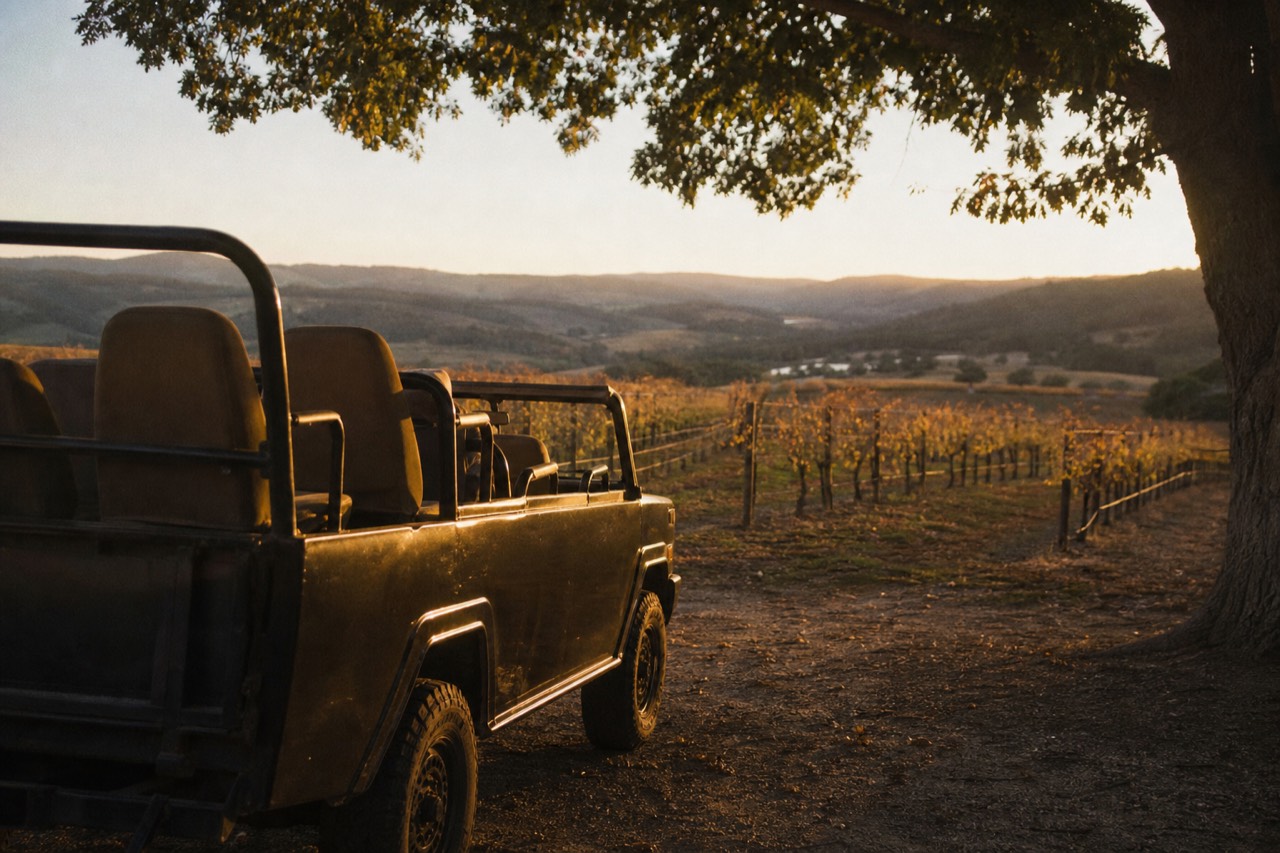
The best way to tour Napa depends on one thing above all: who is driving. Estates are spread along the valley, so arrange a non-drinking designated driver or paid transport for a tasting route. Then choose the format that fits your group: a small-group van, private SUV, open-air trolley, or a scenic train meal.
Booking choice: For a first winery day, compare a shared three-stop itinerary with lunch and a driver; budget tasting fees separately. Explore the small-group winery route
What's the best way to tour Napa Valley?
For most visitors wanting a first winery day, a small-group guided tour is a practical starting point. It combines an arranged route and driver; on Platypus, picnic lunch is included but tasting fees are extra. Private tours suit a requested route, the trolley suits a social outing, and the classic lunch train provides a scenic meal rather than winery visits.
There is no single right answer, only the right fit for how you travel. The value of any guided format rises with how far you have come, how many wineries you want, and how little you want to organize. Below is the honest rundown of each way to tour, starting with the three formats most people weigh first.
Should you self-drive or hand over the driving?
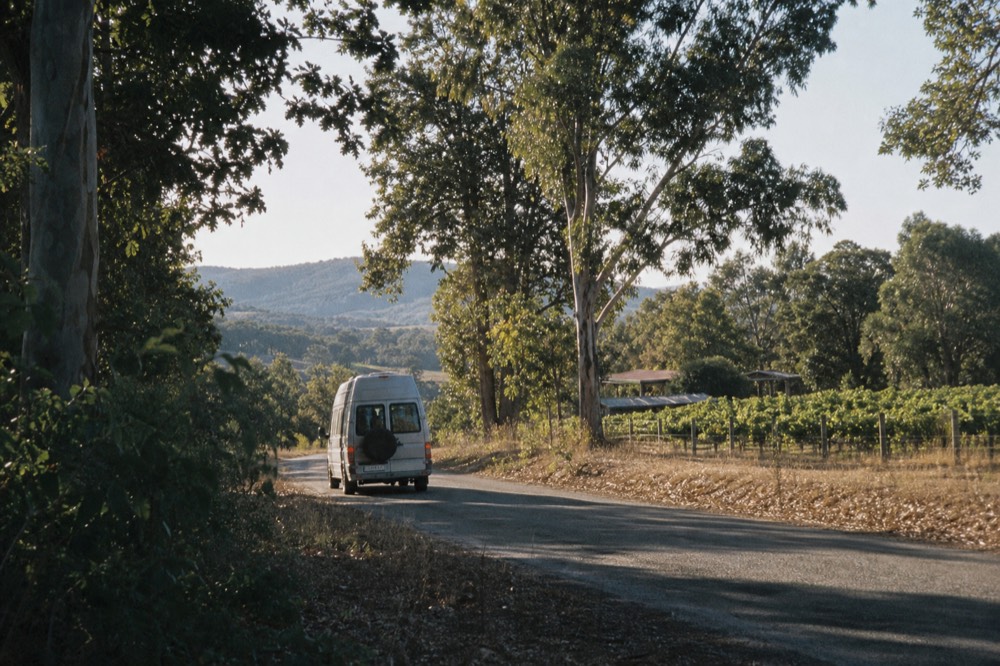
Arrange transport unless one person will be a non-drinking designated driver. A Napa tasting route usually involves travel between estates along Highway 29 and the Silverado Trail. Self-driving leaves the reservations and routing to your group; compare its complete costs with a tour before deciding which is better value.
The geography shapes the decision. Napa’s valley-floor wineries are spread along Highway 29 and the Silverado Trail, so plan transport between your chosen estates. California Vehicle Code Section 23152 addresses impaired driving; being below a numerical BAC limit is not a safe-driving test. Self-driving works with a non-drinking designated driver, confirmed reservations and enough travel time between them.
The Napa Valley Small-Group Winery Tour arranges three winery stops, local transport with a driver-guide and a picnic lunch. Tasting fees and gratuities are additional, so compare the date-specific fare plus those extras rather than treating the ticket as an all-in total.
Is a small-group tour the best option for most visitors?
Yes, for many first-timers and out-of-town visitors, a small-group tour is a practical social choice. It includes a driver and arranged winery stops; Platypus also includes picnic lunch but charges tasting fees separately. The trade-off is the shared route and timing rather than a day you control minute to minute.
Do the arithmetic using actual quotes. Add excluded winery fees to the small-group ticket, then compare that full amount with your independent transport, tasting reservations and food. The guide and arranged route may be worth paying for even without a saving. A private SUV instead suits a party that wants to request its own route.
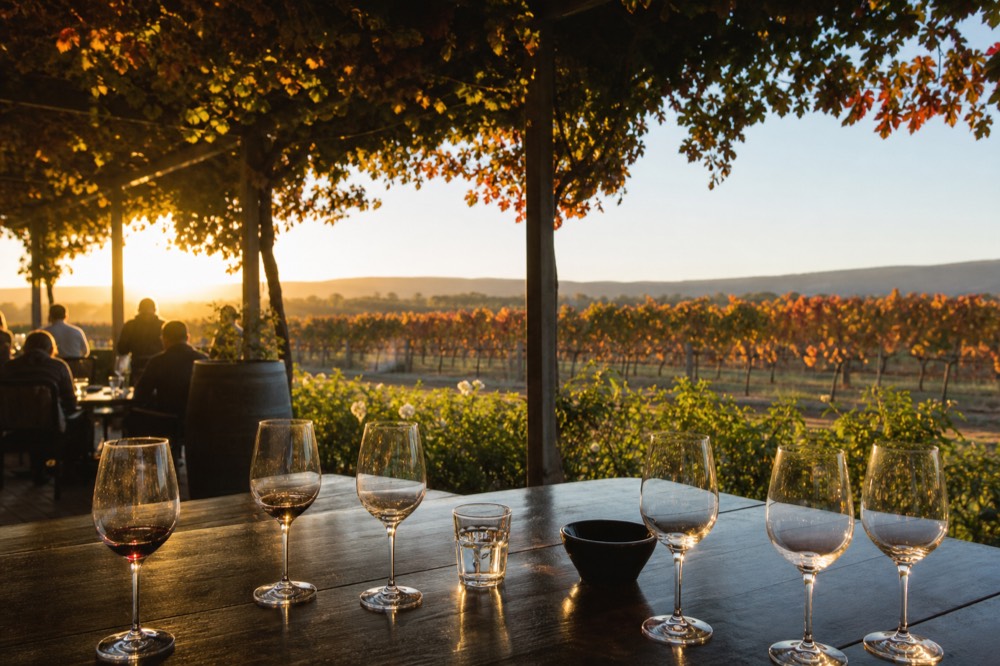
For a full weighing of guided versus doing it yourself, whether winery tours are worth it lays out the cost and safety math side by side.
What about the open-air trolley?
The open-air trolley is a social way to combine sightseeing and winery visits. The featured six-hour GYG outing visits three wineries and includes lunch, with tasting fees extra. Open sides are part of the appeal on a pleasant day; check conditions and the meeting point before booking.
The trolley suits groups, celebrations, and anyone who wants a social day with open-air sightseeing between winery visits. The route is arranged for the group, so it offers less control than a private car. Check the selected itinerary for the wineries and tasting format.
The Napa Valley Wine Tasting by Open-Air Trolley and Lunch takes six hours, visits three wineries and includes lunch. It meets at Oxbow Public Market; tasting fees and tips are extra.
Is the Wine Train a good way to see Napa?
The featured Gourmet Lunch Wine Train is a scenic meal on rails rather than a winery visit. Its three-hour round trip from downtown Napa includes a three-course lunch aboard vintage rail cars. This meal-only journey does not stop at wineries; other Wine Train experiences have different itineraries.
Think of the train as the valley’s dining-and-sightseeing option rather than a substitute for winery visits. The Napa Valley Wine Train’s gourmet lunch product includes a three-course meal during a three-hour rail journey. Check the current fare and cancellation terms: the featured Viator product is all sales final.
The Napa Valley Wine Train with Gourmet Lunch includes a three-course meal on a three-hour rail journey. Check the fare for your date; additional drinks cost extra and this Viator product is all sales final.
So which way should you choose?
Match the format to your group. Choose a small-group tour for a shared route and social day. Choose a private SUV to request your own route, confirming pickup and service hours. Choose the open-air trolley for a social sightseeing outing, or the Gourmet Lunch Wine Train for a scenic meal. Self-drive with a non-drinking designated driver and confirmed winery appointments.
The table below lines up the trade-offs on the things that actually decide it: who drives, how much control you keep, and what mood you are after. Most first-time visitors land on a small-group or private day and rarely regret handing over the logistics.
| Way to tour | Who drives | Pace and control | Best for |
|---|---|---|---|
| Small-group tour | A guide | Set route, three wineries | Value, a social day, first-timers |
| Private SUV or van | A private driver | Requested route, subject to appointments and booked hours | Couples, groups, full control |
| Open-air trolley | A trolley driver | Fixed loop, sightseeing pace | A fun, social day out |
| Wine Train | The train | Scenic meal, no winery stops | A relaxed lunch and the views |
| Self-drive | You | Total freedom | Locals with a sober driver |
Whichever you pick, the smart move is to sort the driving first and the wineries second. If you would rather not organize any of it, you can book Napa Valley CA Wine Tours and let the reservations, the route and the driver come as one price. For how many stops your day realistically holds, how many wineries you can visit in one day sets the pacing.
Your Napa booking choice
Choose Your Napa Experience
Starting recommendation. Open the choices below to narrow your day.
Do you want winery visits, a custom route, or a scenic meal?
This screens only the details you enter. Health, language, pickup and all remaining operator restrictions still need confirmation. Time allowances exclude your journey to the meeting point.
- Napa Valley Small Group Winery Tour — Visit three boutique wineries with a driver-guide and picnic lunch. About 7 hours Extras: Tasting fees; Optional gratuity. Ages 21+.
- 6 Hour Napa or Sonoma Valley Wine Tour by Private SUV — Shape a private winery route for up to six with your own SUV and driver. Confirm the duration of your chosen option Extras: Tasting fees; Gratuity; Fuel surcharge; Distant pickup travel fees. Confirm age and winery admission rules. Confirm booked duration, pickup, winery reservations and all additional fees.
- Napa Valley Wine Train with Gourmet Lunch — Enjoy a three-course lunch and vineyard views aboard the Napa Valley Wine Train. 3 hours Extras: Additional beverages such as wine, beer, cocktails & other non-alcoholic beverages are available for purchase. Confirm age, boarding and access requirements. Non-refundable booking; check the final terms before paying.
Compare your actual party totals
Enter current quotes in the same currency. “Separate spending” means costs you would actually avoid, not a rental day you still pay for.
Napa Valley Small Group Winery Tour
Have your travel date in mind? Check it before arranging the rest of the day. Visit three boutique wineries with a driver-guide and picnic lunch.
About 7 hours. Napa Valley hotel pickup or Main Street & 5th Street, Napa; confirm pickup time.
Extras: Tasting fees; Optional gratuity. Ages 21+.
Schedule loading. You can still check dates directly on Viator below.
Scheduled dates are not confirmed seats. Select the same date on Viator to confirm availability and the final price.