How to Plan a Napa Wine Tour
Book the tastings, sort the driving, keep it to three or four wineries, and Napa becomes an easy day instead of a logistics puzzle. Here is the whole plan.
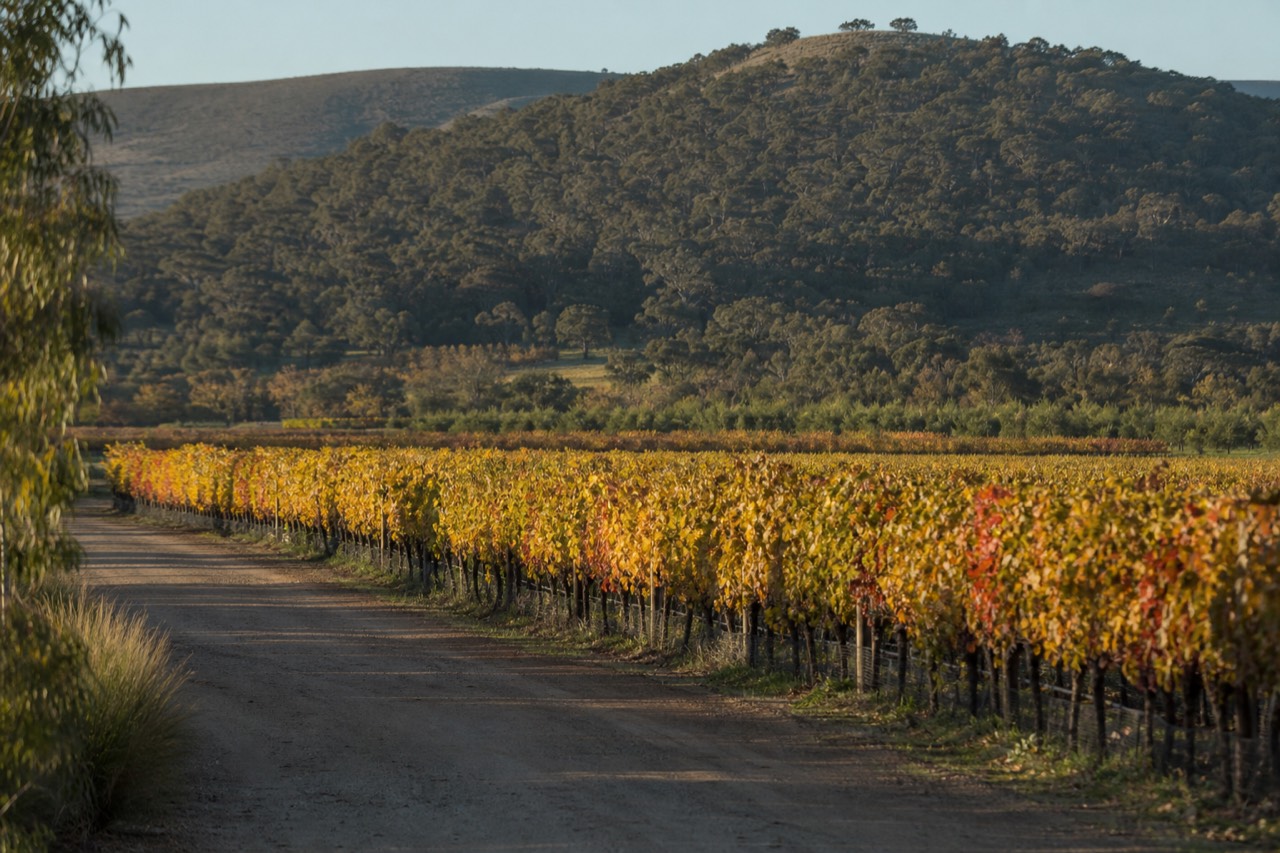
Short answer
Plan a Napa day in four moves: pick your dates, reserve two or three winery visits, arrange a non-drinking designated driver or paid transport, and total the ticket plus excluded tasting fees, meals and gratuities.
Napa Valley's floor runs only about 30 miles top to bottom and roughly 5 miles across at its widest, yet more than 500 wineries sit along it, most of them behind a reservation and a tasting fee that averaged around $79 in 2025. That mix, a small region with big-ticket, appointment-only cellar doors spread along two roads, is exactly why a Napa day rewards a plan. Show up without one and you spend the morning on the phone begging for a table and the afternoon deciding who stays sober to drive. Sort four things ahead of time and the day runs itself.
Booking choice: A three-winery small-group day combines the route, local pickup and picnic lunch; keep tasting fees as a separate budget line. Explore an arranged three-winery Napa day
This guide brings together the main planning decisions: when to come, how to reserve tastings, who will drive, how many winery visits fit, and what remains extra after the tour ticket.
When should you visit Napa Valley?
Napa runs year-round, so timing is about crowds and price, not access. September and October, the crush, are the busiest and most expensive weeks. January and February, marketed locally as "Cabernet Season," are the quietest and cheapest. Spring bud break and early summer are the value sweet spot: long days, mild weather, easier tables.
The valley's calendar bends around harvest. In 2025 the first grapes came in around August 8 to 11 and the final Cabernet was picked on November 2, with October the peak of the action. Those crush weeks bring energy, working forklifts, and the highest rates of the year: valley room averages push past $400 a night and popular tastings book out days ahead.
Winter generally brings cooler, wetter weather and bare vines, with demand varying by date and event. Compare current room rates and winery appointments for your dates. Hotel Napa Valley is one downtown-area accommodation option to compare; a regional winter average does not establish its price or guarantee a saving.
Hotel Napa Valley · Napa, value base Check rates ›
For a fuller month-by-month read, see the best months to visit Napa Valley, but the short version sits in this table.
| Window | Crowds and price | Weather | Worth knowing |
|---|---|---|---|
| Jan to Feb ("Cabernet Season") | Quietest, cheapest | Cool, some rain | Easiest reservations; rooms average near $267 |
| Mar to Apr | Building | Bud break, mild | Strong shoulder value, green hillsides |
| May to Aug | Busy, higher | Warm to hot, 80s-90s | Long tasting days; best value comes early |
| Sep to Oct (crush) | Busiest, priciest | Warm, harvest energy | Book far ahead; rooms above $400 a night |
| Nov to Dec | Easing off | Cool | Quieter once the holidays pass |
Whatever week you pick, the next three decisions are where to start, who drives and how much of the route you want arranged.
Do you need to book Napa wineries in advance?
Book in advance if you want a particular winery or experience. Some tasting rooms accept walk-ins, but that depends on the estate, date and available space. A California-wide walk-in statistic does not tell you whether a particular Napa winery will seat your group; check its current reservation policy.
The practical rule is simple. Downtown Napa tasting rooms and a slice of mid-tier estates will often seat a walk-in, especially midweek and off-season. The famous names, the reserve experiences, and anything with a cellar tour or food pairing expect a booking, sometimes several days out in high season. If a specific winery is the reason for your trip, reserve it first and build the rest of the day around that slot.
This is where a guided day earns its keep. On a small-group tour the reservations are already held, the timings already stitched together, and the route already checked against which cellar doors actually seat visitors that day. You are not refreshing three booking pages at 9 a.m. hoping for a table.
The Napa Valley Small-Group Winery Tour arranges three winery stops, local transport with a driver-guide and a picnic lunch. Tasting fees and gratuities are additional, so compare the date-specific fare plus those extras rather than treating the ticket as an all-in total.
Do you need a driver or a guided tour in Napa?
You need a transport plan for a winery route. Use a non-drinking designated driver, a private driver, a car service or a guided tour if your group will taste alcohol. Estates are spread out, so confirm travel arrangements before booking winery appointments.
A tasting day can involve several flights, so do not try to estimate whether someone is fit to drive from the number of pours. California Vehicle Code Section 23152 addresses impaired driving; being below a numerical BAC limit does not establish safe driving. Choose a non-drinking driver or arranged transport before the first tasting.
Geography makes the point again. Wineries here are strung along Highway 29 and the Silverado Trail, the two arteries that run the length of the valley floor, and they are not walkable between stops. You are driving from one to the next no matter what. The only question is who is at the wheel, and whether that person gets to taste anything.
That leaves three practical options: choose a non-drinking designated driver from your group, hire private transport or join a shared tour. Each has a place, and the right pick depends on your group, route and budget.
How is Napa Valley laid out, and how should you map your day?
Think of Napa as a single line running south to north. From the city of Napa the towns follow in order along Highway 29: Yountville, Oakville, Rutherford, St. Helena, then Calistoga at the top, with the Silverado Trail paralleling on the east side. Cluster your wineries by town so you drive up the valley once, not back and forth.
The whole run is about 30 miles, but the smart play is to pick a stretch rather than try to cover it end to end. A Yountville-to-Rutherford loop keeps drive times short and leaves room to linger. Save Calistoga for a day when its spas and geysers, not just its wineries, are on the agenda. The table below is the mental map worth carrying.
| Town (south to north) | On the map | Known for | Rough drive from Napa |
|---|---|---|---|
| Napa | Downtown, Hwy 29 | Walk-in tasting rooms, Oxbow Market | Start point |
| Yountville | Hwy 29 | Fine dining, sparkling wine | About 15 min |
| Oakville | Hwy 29 | Benchland Cabernet | About 20 min |
| Rutherford | Hwy 29 | "Rutherford dust" Cabernet | About 25 min |
| St. Helena | Hwy 29 | Historic main street, big names | About 30 min |
| Calistoga | North end | Spas, geysers, hillside wineries | About 40 min |
A guide does this mapping for you, and a private tour lets you draw the line yourself. If you want to choose exactly which towns and estates the day hits, a private vehicle is the format that bends to your list.
The Private SUV Wine Tour provides a private vehicle and driver for up to six passengers, with a route you can request in Napa or Sonoma. Confirm pickup, booked service hours and winery appointments before committing; tasting fees, fuel surcharge and gratuity are extra.
How many wineries can you visit in one day?
Three is the sweet spot; four is the realistic maximum with tight planning and a driver. Guides and wineries consistently recommend two to three tastings a day, capped at three to four, allowing 90 to 120 minutes per visit plus travel and lunch. Push past four and the day turns into a rushed blur, and your palate quits before the wine does.
Each seated tasting genuinely takes time. There is the flight itself, the walk through the barrel room or garden, the inevitable good conversation, and often a bottle to buy and stash in the car. Add 15 to 25 minutes of driving between estates and a real lunch, and the clock fills fast. Two wineries make a leisurely day with a long lunch; three is what most well-run tours deliver; four is for keen tasters who booked tightly and are not driving themselves.
| Wineries in a day | Feels like | Best for |
|---|---|---|
| 2 | Relaxed, long lunch, no rush | First-timers, a food-led day |
| 3 | The sweet spot, full but easy | Most visitors |
| 4 | Full and tightly timed | Keen tasters with a driver |
| 5+ | Rushed, palate fatigue sets in | Not recommended |
For a deeper look at pacing and why the number stays low, see how many wineries you can fit into one day. The honest takeaway: fewer, better stops beat a checklist every time.
What do Napa tasting fees cost, and are they waived?
Napa tasting fees vary by estate and experience. The article’s August 2026 planning estimates were $20–$50 for entry flights, $50–$90 for standard tastings and $100–$200 or more for reserve or paired experiences; treat these as historical examples, not current quotes. The reported 2025 average was about $79. Purchase credits and membership conditions vary, so ask each winery before budgeting a waiver.
Two things surprise first-time visitors. First, tasting fees are usually per person and per winery. Second, purchase credits depend on each estate’s policy; ask about the threshold before counting a waiver in your budget.
| Tier | Typical fee | What you usually get |
|---|---|---|
| Entry / boutique | $20 to $50 (illustrative August 2026 estimate; confirm current costs) | A flight of 4-6 pours, often at a bar or standing |
| Standard estate | $50 to $90 (illustrative August 2026 estimate; confirm current costs) | A seated, guided flight |
| Reserve / library / food-paired | $100 to $200+ (illustrative August 2026 estimate; confirm current costs) | Reserve wines, sometimes a tour or small bites |
Some tours include specified tastings, while others charge winery fees separately. Platypus is in the latter group even though its picnic lunch is included. Compare those inclusions line by line before deciding which complete day costs less.
What does a Napa wine tour cost in total?
Budget for four lines: the tour or transport, excluded tasting fees, food and gratuities. Platypus includes transport and picnic lunch but charges tasting fees separately. Use your current winery reservations and tour quotes to calculate the total instead of assuming that a shared ticket is all-inclusive.
The line that catches people is fees, because they scale with the party and number of stops. Use the actual fees for your reserved wineries; a tour only removes this line when its selected option explicitly includes those tastings.
| Line item | Typical per-person range | Notes |
|---|---|---|
| Guided small-group tour | Check the current date-specific quote | Platypus includes transport and picnic lunch; tastings extra |
| Tasting fees (if not included) | $60 to $240 (illustrative August 2026 estimate; confirm current costs) | Use the actual booked winery fees; purchase credits vary |
| Lunch | $15 to $60 (illustrative August 2026 estimate; confirm current costs) | Picnic to a Yountville sit-down |
| Tips | 15 to 20 percent | Tasting rooms plus your guide or driver |
| Realistic all-in total | About $150 to $350+ (illustrative August 2026 estimate; confirm current costs) | Higher for private or reserve days |
If the tasting fees and lunch are already inside your ticket, those middle rows collapse into the first, and the day gets easier to price. For a question-by-question breakdown of the numbers, how much a Napa wine tour costs walks through each line.
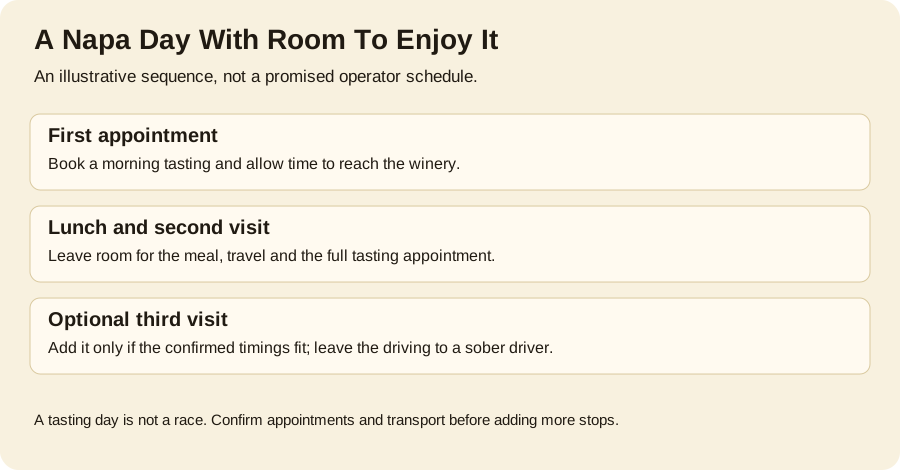
What does a sample one-day Napa plan look like?
A workable day starts with three confirmed tasting appointments, enough travel time between them and a real lunch. The example below is a planning outline rather than a promised tour schedule. Check actual appointment lengths and leave a buffer instead of assuming an extra fourth stop will fit.
Use the table as an illustrative plan for a private or self-driven day. Guided tours supply their own pickup and appointment timings. Winery hours vary, so anchor the day to your first confirmed reservation rather than a universal opening time.
| Time | Plan |
|---|---|
| 8:30 a.m. | Hotel pickup, or meet in downtown Napa |
| 10:00 a.m. | First winery, seated tasting booked ahead |
| 12:00 p.m. | Second winery, contrasting style or AVA |
| 1:30 p.m. | Lunch, a packed picnic or a Yountville table |
| 3:00 p.m. | Third winery, the day's showpiece |
| 4:30 p.m. | Leave a buffer for travel and an unhurried finish |
| 5:00 p.m. | Head back, bottles in the boot |
Coming up from San Francisco changes the start of this timeline. Check the actual route and expected traffic from your departure address, then work backward from your confirmed first tasting with an arrival buffer. The featured half-day city tour is a six-hour afternoon outing to two wineries, so it uses a different schedule.
The San Francisco Napa Valley Half-Day Wine Tour is a six-hour afternoon coach outing from 99 Jefferson Street. It visits two Napa wineries with tastings included, so keep the afternoon free for the tour and budget separately for food.
Which kind of Napa tour should you choose?
Match the format to your group. A small-group tour offers a social arranged route; a private SUV suits a requested itinerary and your own party. A San Francisco half-day tour uses six hours for two wineries. Self-driving is an option with a non-drinking designated driver and your own confirmed reservations.
There is no single right answer, only the right fit. Book Napa Valley CA Wine Tours the way you would book any part of a trip: start from what your day needs, then pick the format that removes the most friction for the least money. The comparison below lines up the trade-offs.
| Format | Group size | Pace | Roughly | Best for |
|---|---|---|---|---|
| Small-group tour | Platypus: at most 12 travelers | Set route, three wineries | Current fare plus tasting fees | Value, social, no driving |
| Private SUV or van | Your party | Requested route, subject to appointments and booked hours | Priced per group | Couples, groups, full control |
| Half-day from SF | Shared coach | Two wineries on the featured half-day tour | On the listing | Short on time |
| Self-drive | You | Total freedom | Fees plus gas | One sober driver, heavy planning |
The train and the open-air trolley are two more ways to hand off the driving, each with its own pace and price. Most first-time visitors land on a small-group or private day, and rarely regret handing over the logistics.
What should you bring and wear?
Dress smart-casual with closed, comfortable shoes for gravel and cellar floors, skip strong fragrance since it interferes with tasting, and bring water, sunscreen, a layer, and a plan for any bottles you buy. Eat a real breakfast. Tasting on an empty stomach is the fastest way to end the day early.
None of this is fussy. Comfortable shoes suit winery paths, and layers help between cool interiors and warm terraces. Avoid strong fragrance so it does not interfere with the wine’s aromas. Bring water for comfort and hydration; it does not make someone fit to drive after drinking.
With the window chosen, the tastings booked, the driving solved, and a sensible three-winery route mapped, a Napa day stops being a puzzle. Hold your first reservation, build outward from it, and let the rest of the valley fall into place.
Frequently asked questions
How far in advance should I book Napa wineries?
For high-season weekends, especially the September and October crush, book marquee wineries several days to a week ahead. In winter and midweek, a day or two is often enough, and more tasting rooms now take walk-ins than a few years ago. If one specific estate is the point of your trip, reserve it first and plan around that slot.Do I really need a tour, or can I self-drive?
You can self-drive if one person in your group remains a non-drinking designated driver. Because estates sit miles apart along Highway 29 and the Silverado Trail and a day means several flights, most visitors hand the driving to a guide or private driver so everyone can taste. It is a safety and logistics decision more than a luxury one.How many wineries should I plan for in one day?
Three is ideal and four is the realistic maximum with a driver and tight timing. Each seated tasting runs 90 to 120 minutes with travel, and palate fatigue is real. Two relaxed stops with a long lunch often beat a rushed four.Are Napa tasting fees refunded if I buy wine?
Some wineries offer a tasting credit for a qualifying purchase or membership, while others do not. Ask the estate about its threshold and conditions before ordering; do not assume one or two bottles automatically cover the fee.What does a full Napa wine day cost per person?
Use current quotes for your party and date, then add every excluded cost. The featured Platypus small-group day includes transport and picnic lunch but excludes tasting fees. Private vehicles, included-tasting packages and reserve experiences require their own itemized comparison.Your Napa booking choice
Choose Your Napa Experience
Starting recommendation. Open the choices below to narrow your day.
Where are you starting, and how much of the winery route do you want arranged?
This screens only the details you enter. Health, language, pickup and all remaining operator restrictions still need confirmation. Time allowances exclude your journey to the meeting point.
- Napa Valley Small Group Winery Tour — Visit three boutique wineries with a driver-guide and picnic lunch. About 7 hours Extras: Tasting fees; Optional gratuity. Ages 21+.
- 6 Hour Napa or Sonoma Valley Wine Tour by Private SUV — Shape a private winery route for up to six with your own SUV and driver. Confirm the duration of your chosen option Extras: Tasting fees; Gratuity; Fuel surcharge; Distant pickup travel fees. Confirm age and winery admission rules. Confirm booked duration, pickup, winery reservations and all additional fees.
- San Francisco: Napa Valley Half-Day Wine Tour with Tastings — Spend the afternoon at two Napa wineries with tastings and return coach transport from San Francisco. 6 hours Extras: Food; Tips. Ages 21+.
Compare your actual party totals
Enter current quotes in the same currency. “Separate spending” means costs you would actually avoid, not a rental day you still pay for.
Napa Valley Small Group Winery Tour
Have your travel date in mind? Check it before arranging the rest of the day. Visit three boutique wineries with a driver-guide and picnic lunch.
About 7 hours. Napa Valley hotel pickup or Main Street & 5th Street, Napa; confirm pickup time.
Extras: Tasting fees; Optional gratuity. Ages 21+.
Schedule loading. You can still check dates directly on Viator below.
Scheduled dates are not confirmed seats. Select the same date on Viator to confirm availability and the final price.