What Is Winery Etiquette? (Plus the 3-3-3 Rule)
Napa winery etiquette without the snobbery: how to taste, whether spitting is rude, if jeans are fine, the popular 3-3-3 shorthand, and how much to tip.
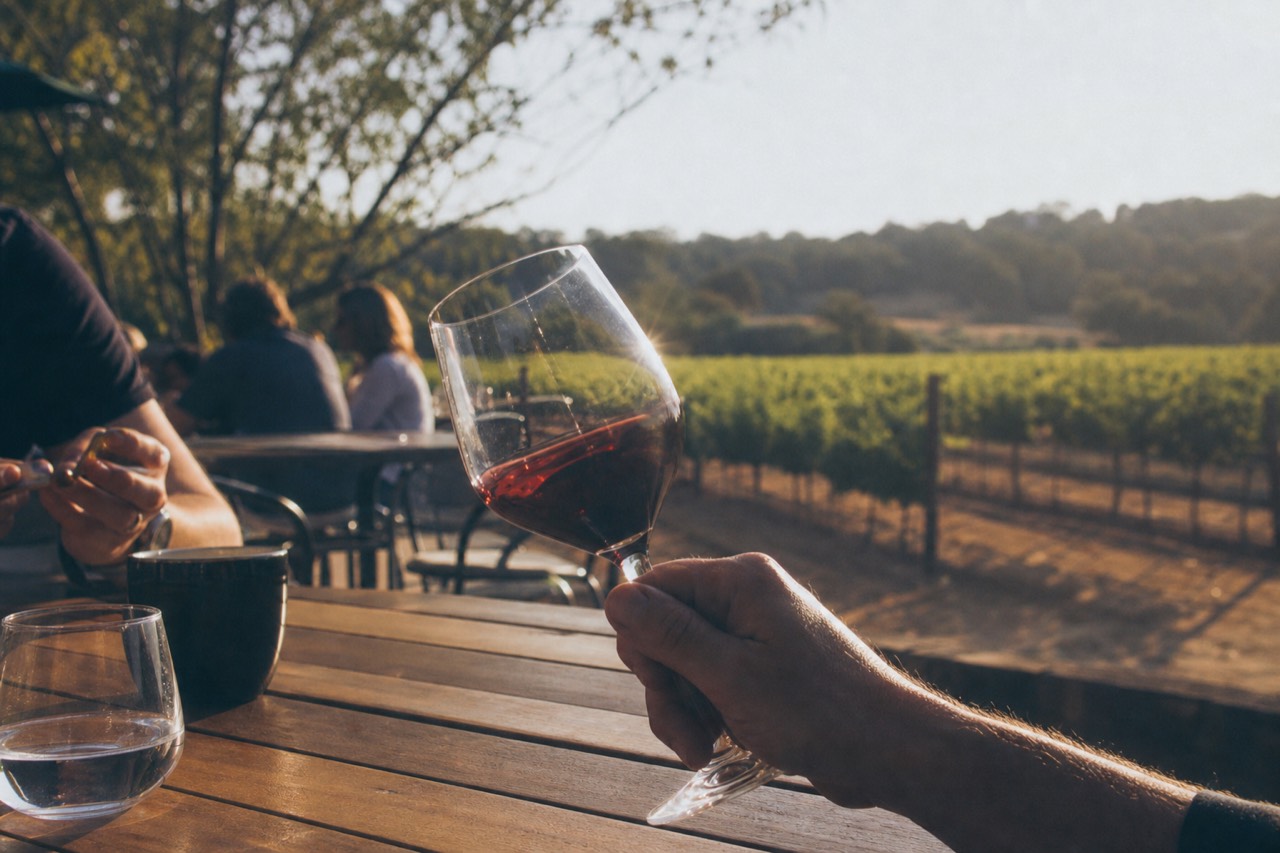
Nobody is judging your jeans. That is the first thing to know about tasting wine in Napa, where the old image of a stiff, hushed cellar has mostly given way to relaxed tables, friendly hosts, and guests in sneakers. Etiquette here is less about rules and more about a few small courtesies that make the room work better for everyone, yourself included. Get those right and the pretension melts away.
Booking choice: For a first guided day, three boutique wineries and a picnic lunch put the route and transport in experienced hands. Discover A Guided Napa Tasting Day
What is winery etiquette?
Winery etiquette is a handful of small courtesies, not a dress code or a test. The essentials: hold the glass by the stem, swirl and smell before you sip, feel free to spit or dump, skip strong perfume or cologne, do not gulp, tip your host, and book ahead. Jeans are fine. The point is to respect the wine and the people around you.
Most of it is common sense once you see the reasons behind it. You hold the stem so your hand does not warm the wine or smudge the bowl. You go easy on fragrance because it drowns the aromas everyone came to smell. You keep your voice down not out of stuffiness but because a tasting is a small, shared room. None of it requires knowing a single grape variety.
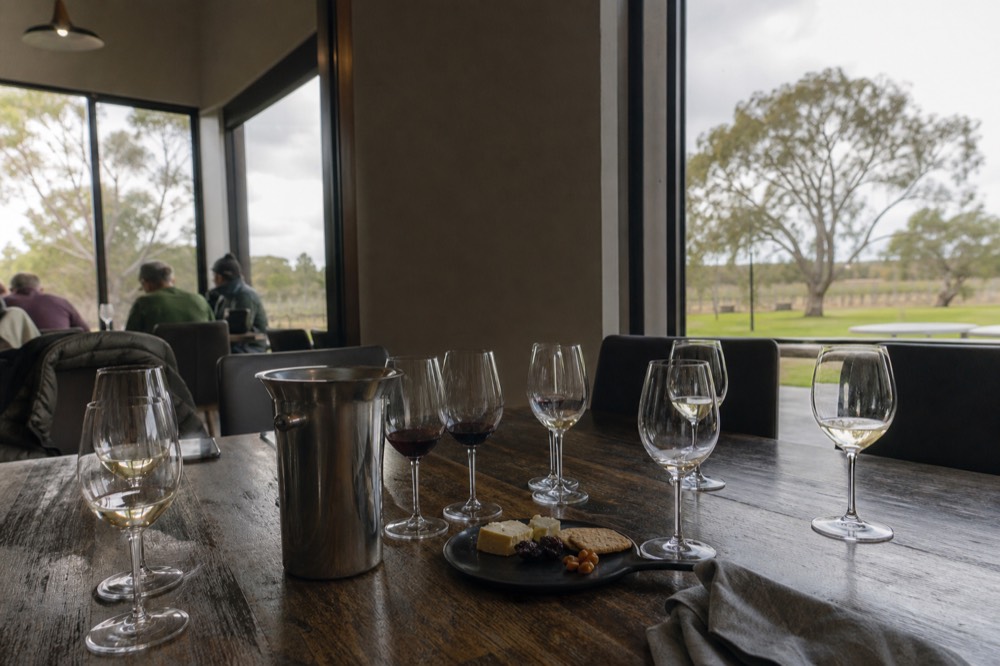
Booking ahead is part of the etiquette now, since reservations are the norm at estate wineries, though more rooms take walk-ins than a few years ago. The quick list below sorts the courtesies that actually matter from the myths that do not.
| Do | Don't |
|---|---|
| Hold the glass by the stem | Grip the bowl and warm the wine |
| Swirl and smell before you sip | Chug the pour like a glass of wine |
| Use the spit or dump bucket freely | Feel obliged to finish every pour |
| Wear jeans and comfortable shoes | Douse yourself in perfume or cologne |
| Tip your host and your guide | Assume you must buy a bottle |
| Book the estates you care about | Expect every winery to take walk-ins |
A guide can coordinate the route and group timing. The same courtesies still apply at each tasting room.
What is the 3-3-3 rule for wine tasting?
You can use a simple three-part memory aid: look at the wine, swirl and smell, then take a small sip. Spending a few seconds on each step can help you slow down, but there is no need to time a tasting or follow a formal 3-3-3 rule.
The useful part is pausing to notice the wine. Look at its color and clarity, swirl gently to release aromas, then consider the flavor and texture of a small sip before swallowing or spitting. This tasting exercise is separate from deciding how many wineries to visit in a day.
| Beat | Optional Pause | What you are doing |
|---|---|---|
| Look | 3 seconds | Read the color and clarity against something white |
| Swirl and smell | 3 seconds | Aerate the wine, then take a short sniff |
| Sip and hold | 3 seconds | Move a small sip around before you swallow or spit |
Is it rude to spit or dump wine at a tasting?
Not at all. Spitting and dumping are completely normal and expected in a serious tasting, which is why every counter has a bucket. Pouring out what you do not want to finish, or spitting after tasting, is how experienced visitors get through three or four wineries and still enjoy the last pour. No host will bat an eye.
Spitting after tasting and pouring unwanted wine out of the glass are both normal. Ask your host for a spittoon or discard container if you do not see one. You do not need to finish a flight, and neither practice is a reason to assume you are fit to drive; arrange a sober driver or transport.
Do you have to buy wine after a tasting?
No, you are never obligated to buy. You paid a tasting fee for the experience, and hosts do not expect a purchase. That said, buying a bottle you genuinely liked often waives or credits the fee, so if a wine wins you over, taking it home can make the tasting effectively free. Buy because you want the wine, not out of guilt.
The waiver culture makes the choice easy. Many estates knock the fee off when you leave with one or two bottles, and joining a club usually waives it outright, so the pour you loved is often the cheapest one to take home. Visit Napa Valley keeps a list of tastings under $50 that flags which rooms credit the fee. If nothing moves you, a warm thank-you and a tip are all the etiquette a host wants.
How much should you tip at a Napa tasting?
Tipping is appreciated but usually discretionary. Check whether a service charge is already included, particularly on private tours, and decide on any extra amount based on the service you received. Tasting-room hosts and your driver-guide are separate roles.
Two separate tips, really. The host who guided your flight and packed your bottles has earned a gratuity, and most rooms have a jar or a line on the receipt. A tour guide or driver is a bigger, separate tip, closer to a restaurant standard, because they sorted the reservations, the route and the wheel. Neither is mandatory, but both are genuinely appreciated. Our full guide to tipping at a Napa wine tasting covers the trickier cases.
What should you wear to a Napa tasting?
Dress smart-casual and comfortable. Jeans are absolutely fine, paired with closed, comfortable shoes for gravel paths and cellar floors. Bring a layer, because barrel rooms sit cool while terraces bake. The one real rule: skip strong perfume or cologne, since fragrance interferes with the aromas everyone came to taste.
Napa is not a place to overthink an outfit. The dressiest thing most tables ask is that you leave the heavy scent at the hotel. Flats or low heels beat stilettos on gravel, and a light jacket covers the swing between a cool cellar and a warm patio. For the full rundown on shoes, fabrics and what to avoid, see our take on what not to wear to a winery.
What is the etiquette on a guided wine tour?
On a guided tour the etiquette gets easier, because the guide manages the pacing, the reservations and the introductions at each winery. Your job shrinks to tasting, spitting when you want to, tipping your host and your guide, and staying with the group's timing. The driving, the trickiest courtesy of all in a valley built around a car, is simply handled.
This is the quiet advantage of booking a day. A good guide reads each room, keeps the group on schedule so you are not the table that overstays, and knows when to move on before palate fatigue sets in. The open-air trolley is one of the most relaxed versions, moving between wineries with the bookings and driving sorted.
The open-air trolley combines winery transport, a guide and lunch. Tasting fees and tips are additional, and guests still need to follow each host’s instructions.
A small-group winery day is another way to share transport and meet fellow tasters.
The small-group day visits three boutique wineries with a driver-guide and picnic lunch. Tasting fees cost extra, and the wineries on a particular date can change.
Etiquette in Napa comes down to a few kind, sensible habits: hold the stem, swirl before you sip, use the bucket, go light on fragrance, tip your host, and do not rush. Follow the loose 3-3-3 shorthand and you will slow down enough to actually taste the wine, which is the whole point. Everything else, a room full of relaxed people in comfortable shoes will happily show you.
Your Napa booking choice
Choose Your Napa Experience
Starting recommendation. Open the choices below to narrow your day.
Choose How Much Of Your Tasting Day To Hand Over
This screens only the details you enter. Health, language, pickup and all remaining operator restrictions still need confirmation. Time allowances exclude your journey to the meeting point.
- Napa Valley Small Group Winery Tour — Visit three boutique wineries with a driver-guide and picnic lunch. About 7 hours Extras: Tasting fees; Optional gratuity. Ages 21+.
- Napa Valley Wine Trolley Classic Tour — Ride between Napa wineries in an open-air trolley with lunch included. About 6.5 hours Extras: Tasting fees; Gratuity. Ages 21+.
- 6 Hour Napa or Sonoma Valley Wine Tour by Private SUV — Shape a private winery route for up to six with your own SUV and driver. Confirm the duration of your chosen option Extras: Tasting fees; Gratuity; Fuel surcharge; Distant pickup travel fees. Confirm age and winery admission rules. Confirm booked duration, pickup, winery reservations and all additional fees.
Compare your actual party totals
Enter current quotes in the same currency. “Separate spending” means costs you would actually avoid, not a rental day you still pay for.
Napa Valley Small Group Winery Tour
Have your travel date in mind? Check it before arranging the rest of the day. Visit three boutique wineries with a driver-guide and picnic lunch.
About 7 hours. Napa Valley hotel pickup or Main Street & 5th Street, Napa; confirm pickup time.
Extras: Tasting fees; Optional gratuity. Ages 21+.
Schedule loading. You can still check dates directly on Viator below.
Scheduled dates are not confirmed seats. Select the same date on Viator to confirm availability and the final price.